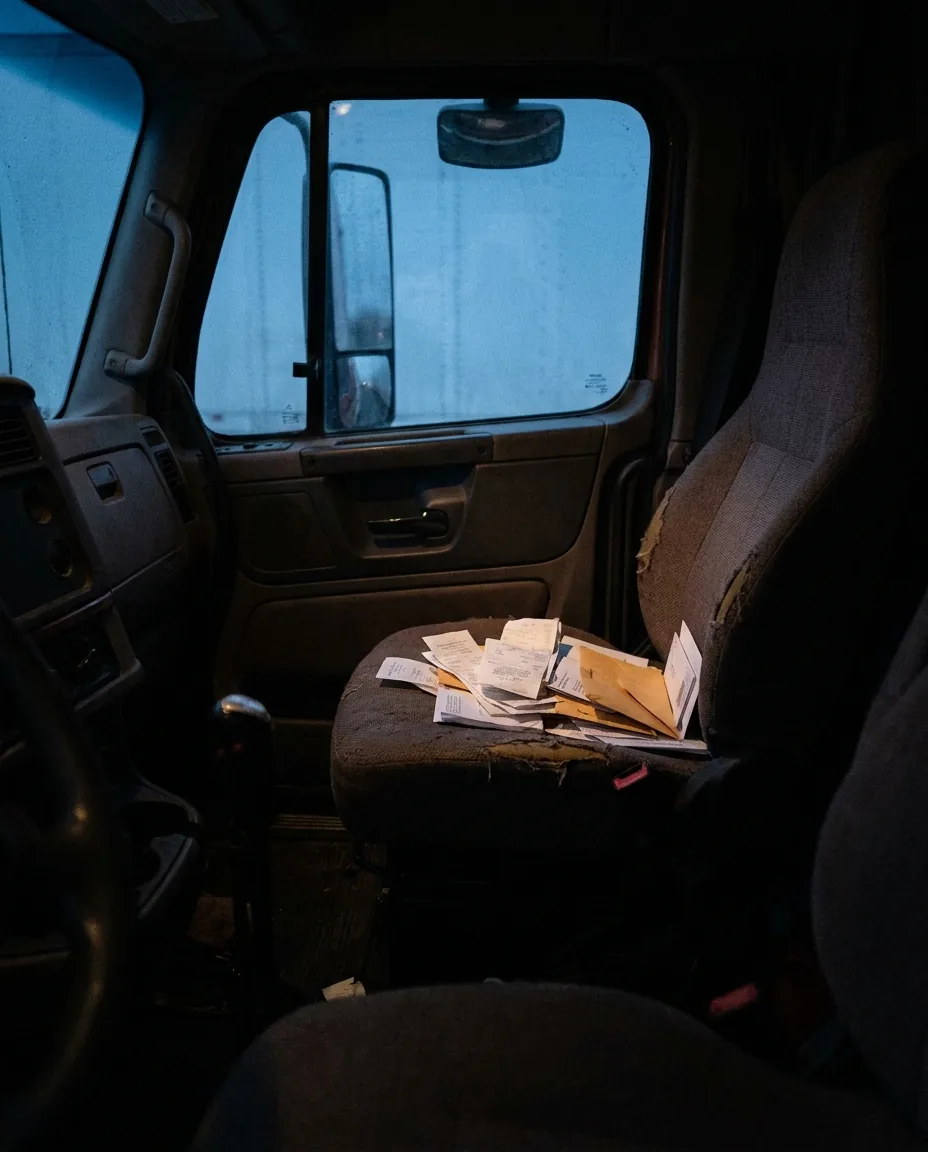
For lease operators
Their portal.
Your records.
Settlement deductions, escrow, fuel, maintenance reserves. Keep your own copy of every piece of it, in your hand, whatever happens to the lease.
For lease operators
Settlement deductions, escrow, fuel, maintenance reserves. Keep your own copy of every piece of it, in your hand, whatever happens to the lease.
What you're carrying
Taken off the top — keep your own copy of every statement
Money held against the truck, reconciled rarely
Whether you buy on the card or out of pocket
Withheld weekly, spent against work you may never see billed
The roadside call the reserve did not cover
Small paper, thermal, gone by spring
Some of it is money you spent. Some of it is money that was taken before you saw it. Both are worth being able to produce later.
What goes wrong
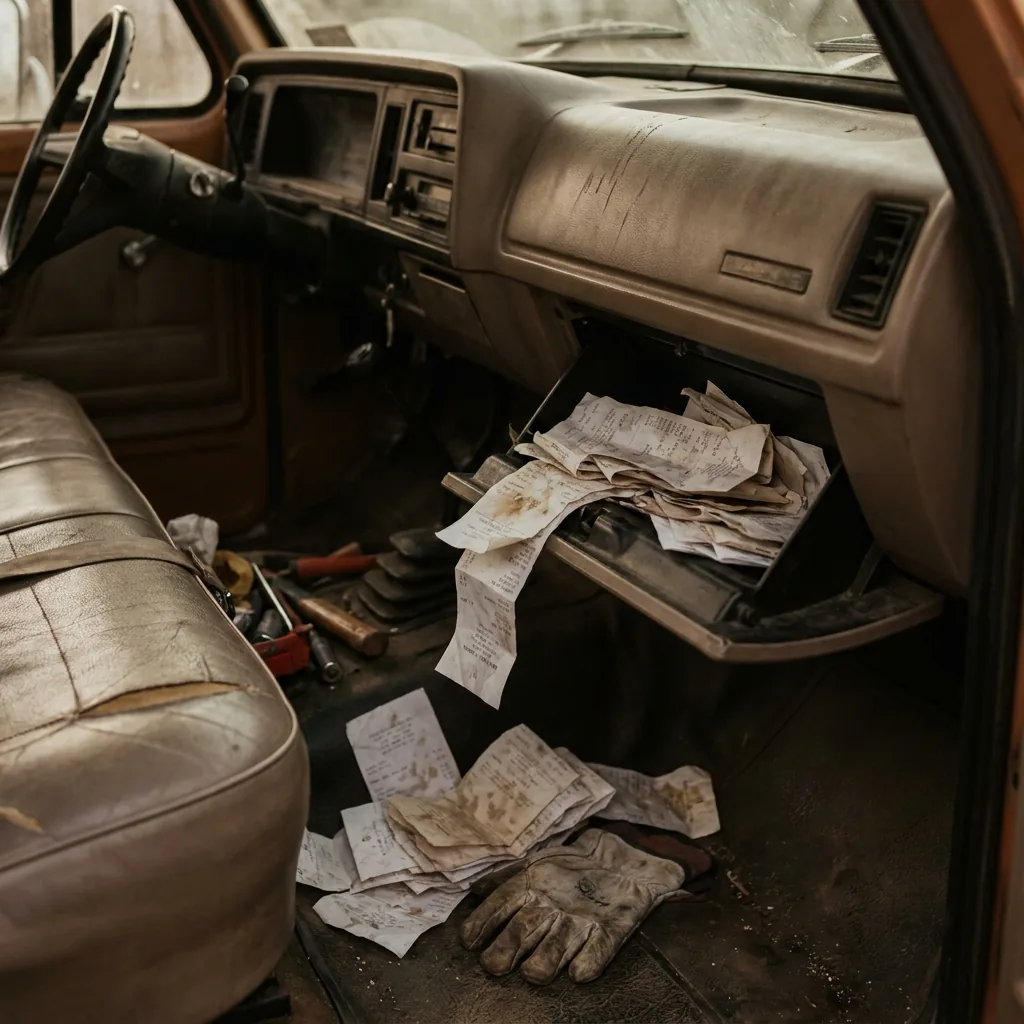
A lease operator's records live in two places: the carrier's portal, and a pile of thermal paper in the cab. One of those you do not control, and the other goes blank in a hot truck in a few weeks.
Photographing both as you go is the only version where the record is actually yours. It does not fade and it does not get switched off.
How it works
The settlement sheet, the shop invoice, the fuel slip. One hand.
Vendor, date, and total pulled off the paper automatically.
Your copy, in your hands, independent of the carrier’s portal.
Why a photo counts
You don't have to keep the paper. The IRS has accepted electronic records since 1997, as long as the copies meet a few basic conditions.
Source: IRS Rev. Proc. 97-22, Recordkeeping — Electronic Storage Systems. CabSnap is a recordkeeping tool, not a tax advisor.
Questions
Because it is their portal, their retention policy, and their access. Lease agreements end, sometimes abruptly, and portal access tends to end with them. A photo on your phone is yours regardless of what happens to the relationship.
Yes. Under Rev. Proc. 97-22 the IRS accepts electronic copies of paper records, provided the image is legible, matches the original, can be printed on request, and is stored securely. This is a recordkeeping answer, not tax advice — talk to your tax preparer about your own situation.
It captures the image and reads what it can from it. Settlement layouts vary a lot between carriers, so treat the extracted data as a convenience and the photo itself as the record. The image is always kept alongside whatever was read.
Not in the usual sense, but the statements showing what was withheld and what was returned are records worth keeping, and they are the ones drivers most often cannot produce later. Photograph them the same way.
Not yet — CabSnap is Android only. An iPhone version is in development. There's no release date I can promise you yet. More on the iPhone version